
How to Choose the Best Digital Marketing Channel for Your Business
Choosing the right digital marketing channel can feel overwhelming with so many options available—social media, email, SEO, paid ads, influencer marketing, and more. The truth is, there’s no one-size-fits-all answer. The best channel for your business depends on your goals, your audience, and your ability to measure and adapt.
Here’s a step-by-step guide to help you pick the most effective digital marketing channel:
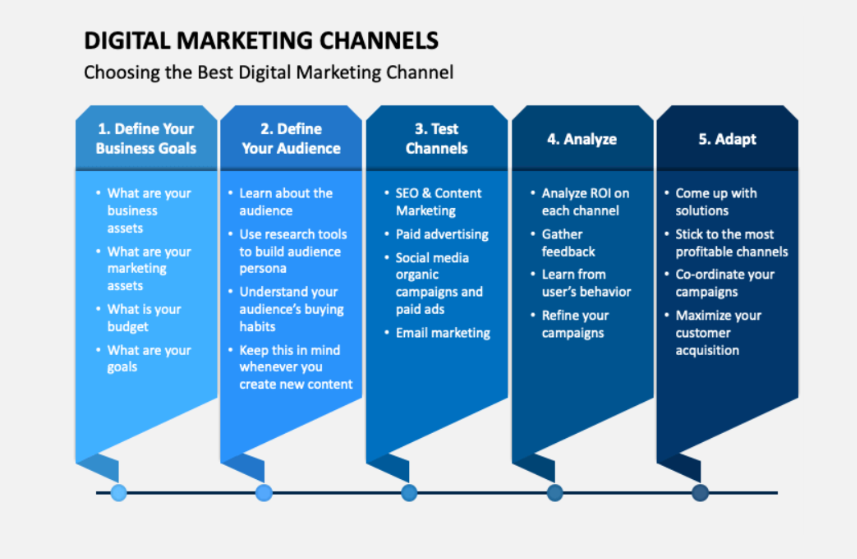
1. Define Your Business Goals
Before you decide where to market, you need to know why you’re marketing. Ask yourself:
Do you want to increase brand awareness?
Generate more leads?
Drive direct sales?
Build customer loyalty?
Each channel serves a different purpose. For example, SEO and content marketing are great for long-term organic growth, while paid ads are effective for quick conversions. Your goals will shape which channels deserve your time and budget.
2. Define Your Audience
The best digital marketing strategy starts with knowing who you’re talking to. Create audience personas that include:
Age, gender, and location
Interests and online habits
Problems they want to solve
Where they spend time online
If your audience is Gen Z, TikTok and Instagram might work better. For B2B professionals, LinkedIn and email marketing could be more effective. The key is to go where your audience already is.
3. Test Different Channels
Don’t assume—you need proof. Start by testing a few channels that align with your goals and audience. For example:
Run a small ad campaign on Facebook and Google.
Post consistently on LinkedIn for a month.
Launch an email sequence to a targeted list.
Compare results to see which channel shows the most promise. Testing reduces risk and gives you real data to work with.
4. Analyse the Results
Once you’ve tested, it’s time to measure. Look at:
Engagement (likes, comments, shares, opens)
Website traffic and bounce rates
Conversion rates (leads, sign-ups, sales)
Return on ad spend (ROAS) or ROI
Analytics tools like Google Analytics, social media insights, or CRM dashboards will help you understand which channels perform best.
5. Adapt and Refine
Digital marketing is never static. What works today might not work tomorrow. Use your insights to:
Double down on the channels driving the most results.
Tweak underperforming strategies.
Experiment with new platforms as trends change.
Adaptability keeps your strategy fresh and competitive.
Final Thoughts
The best digital marketing channel is the one that aligns with your goals, reaches your target audience, and delivers measurable results. Start with clear objectives, know your audience inside out, test different platforms, analyse performance, and keep adapting.
By following this process, you’ll not only choose the right channels—you’ll also build a marketing strategy that grows with your business.