

1. Guerrilla Marketing

What it is: Guerrilla marketing is an unconventional, low-cost strategy that aims to grab attention through surprise, creativity, or shock value. It relies on bold, unexpected campaigns that make people stop and talk about the brand.
Example: A flash mob in a public square promoting a new product, or a cleverly placed street art ad that catches people off-guard.
Why it works: It creates memorable experiences and often generates word-of-mouth at a fraction of the cost of traditional advertising.
2. Moment Marketing

What it is: Moment marketing is all about brands responding quickly to trending events, viral moments, or cultural conversations with relevant content.
Example: A food brand tweeting a witty response during a popular sports match or creating a meme around a trending celebrity moment.
Why it works: It makes brands look relatable, agile, and in tune with their audience’s conversations.
3. Buzz Marketing

What it is: Buzz marketing focuses on creating excitement and anticipation around a product or campaign so that people start talking about it.
Example: A movie studio releasing mysterious teaser trailers or a brand launching a limited-edition product with hype-driven promotions.
Why it works: It taps into curiosity and FOMO (fear of missing out), encouraging people to share and discuss the brand organically.
4. Influencer Marketing
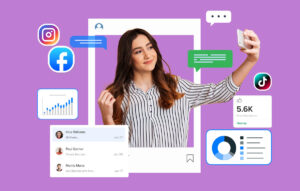
What it is: Collaborating with social media influencers or thought leaders to promote your product or service.
Example: A beauty brand partnering with a popular YouTuber or Instagram creator to showcase their new product line.
Why it works: Audiences trust influencers they follow, and recommendations feel more authentic than traditional ads.
5. Experiential Marketing
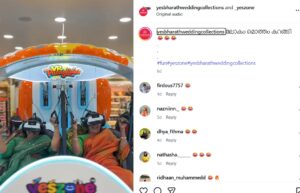
What it is: Also called engagement marketing, it focuses on creating immersive, hands-on brand experiences that let customers interact directly.
Example: A pop-up shop where customers can try products in fun, interactive ways, or a virtual reality demo of a new service.
Why it works: It builds emotional connections and makes the brand experience unforgettable.
6. Content Marketing

What it is: Creating and sharing valuable, relevant content (blogs, videos, podcasts, infographics) to attract and engage a target audience.
Example: A fitness brand running a YouTube channel with workout tutorials and nutrition tips.
Why it works: It positions the brand as a helpful authority and nurtures long-term relationships with customers.
7. Viral Marketing
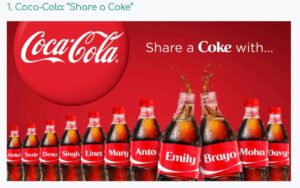
What it is: Crafting campaigns designed to spread rapidly online through social shares. Viral content is often funny, emotional, or surprising.
Example: A quirky ad that becomes a trending TikTok challenge.
Why it works: It reaches huge audiences quickly and often at minimal cost if executed well.
8. Cause Marketing
What it is: 
Example: A clothing company donating a portion of proceeds to sustainability projects.
Why it works: It builds goodwill, enhances brand image, and resonates with socially conscious consumers.
9. Relationship Marketing
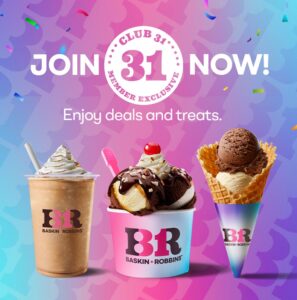
What it is: Focused on building strong, long-term customer relationships rather than one-time sales.
Example: Loyalty programs, personalized emails, or exceptional customer support.
Why it works: Retaining customers is more cost-effective than acquiring new ones, and loyal customers often become brand advocates.
10. Word-of-Mouth Marketing
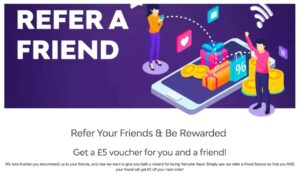
What it is: Encouraging customers to share their positive experiences and recommend the brand to others.
Example: Referral programs that reward customers for bringing in friends.
Why it works: People trust recommendations from peers more than advertisements.