
Inbound (Pull) vs. Outbound (Push) Marketing: What’s the Difference?
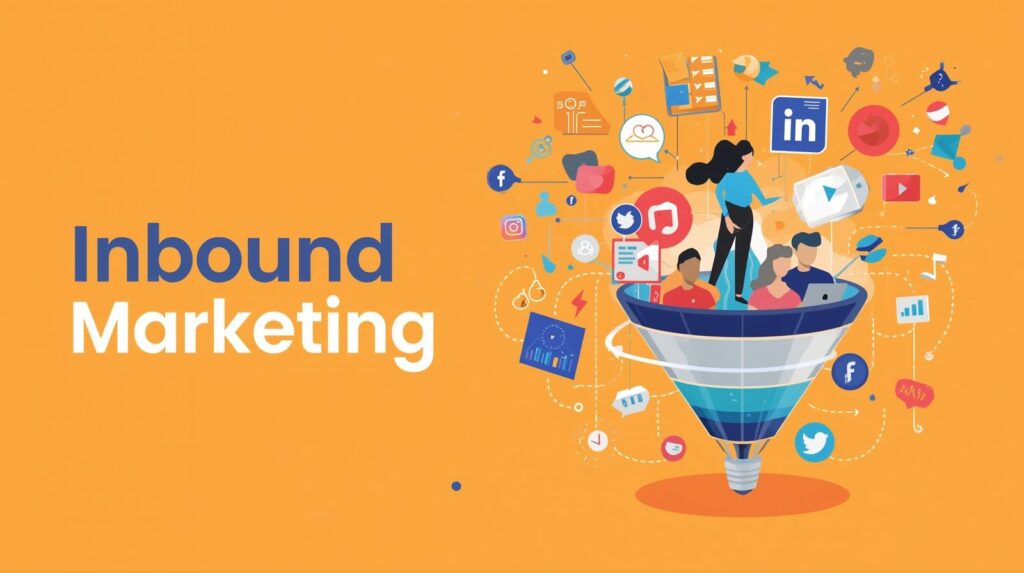
Marketing is all about connecting with your audience—but how you reach them makes a big difference. Broadly, marketing strategies can be divided into two categories: Inbound Marketing (Pull) and Outbound Marketing (Push).
Both approaches aim to attract customers, but they work in very different ways. Let’s break them down.
What is Inbound (Pull) Marketing?
Inbound marketing is a strategy that attracts customers to your business by providing valuable content and experiences. Instead of pushing your message onto people, you create content that pulls them in naturally when they’re searching for information or solutions.
Key Characteristics:
Customer-centric approach.
Relies on organic discovery.
Builds trust and long-term relationships.
Examples of Inbound Marketing:
SEO: Optimizing blogs and websites so customers find you through Google.
Content Marketing: Blogs, eBooks, podcasts, and videos that educate and inform.
Social Media Engagement: Building a community by sharing helpful, relatable content.
Email Newsletters: Offering value-driven updates and resources.
Why It Works:
Inbound marketing nurtures customers through trust and relevance. People come to you because they find your content useful—not because you interrupted them.
What is Outbound (Push) Marketing?
Outbound marketing is a traditional approach where businesses push their messages out to a broad audience, regardless of whether they’re actively looking for the product or service.
Key Characteristics:
Brand-driven approach.
Reaches a wide audience quickly.
Often interruptive in nature.
Examples of Outbound Marketing:
TV & Radio Ads: Mass messaging to general audiences.
Print Ads: Newspapers, magazines, flyers, or billboards.
Cold Calls & Emails: Direct outreach without prior engagement.
Display Ads & PPC: Paid ads that appear on websites or social media feeds.
Event Sponsorships: Branding at trade shows or sports events.
Why It Works:
Outbound marketing is effective for creating quick awareness, reaching people who may not yet know they need your product or service.
Inbound vs. Outbound Marketing: A Comparison
| Feature | Inbound (Pull) Marketing | Outbound (Push) Marketing |
|---|---|---|
| Approach | Attracts customers with value | Pushes messages to a broad audience |
| Audience | Highly targeted & intent-driven | Broad & less targeted |
| Cost | Lower long-term cost | Can be expensive (ads, media) |
| Examples | SEO, content, social media, blogs | TV, print, cold calls, display ads |
| Best For | Building trust & long-term growth | Quick reach & brand awareness |
Which One Should You Use?
Inbound Marketing is ideal if you want sustainable, cost-effective growth and long-term relationships. It’s especially powerful for digital-first businesses and startups.
Outbound Marketing works best if you need fast results, mass brand awareness, or want to reach audiences that may not yet be searching for your solution.