No-Follow vs Do-Follow Backlinking: What You Need to Know
In the world of SEO, backlinks are one of the most important ranking factors. But not all backlinks are created equal. If you’ve spent any time learning about search engine optimization, you’ve probably come across two terms: do-follow and no-follow backlinks. Understanding the difference — and knowing how to leverage both — can make a big impact on your website’s visibility.
What Is a Backlink?
A backlink is simply a hyperlink from one website to another. Search engines like Google treat backlinks as a vote of confidence — if other websites link to yours, it signals that your content is valuable and trustworthy.
But here’s the catch: the value passed through these links depends on whether they’re do-follow or no-follow.
Do-Follow Backlinks
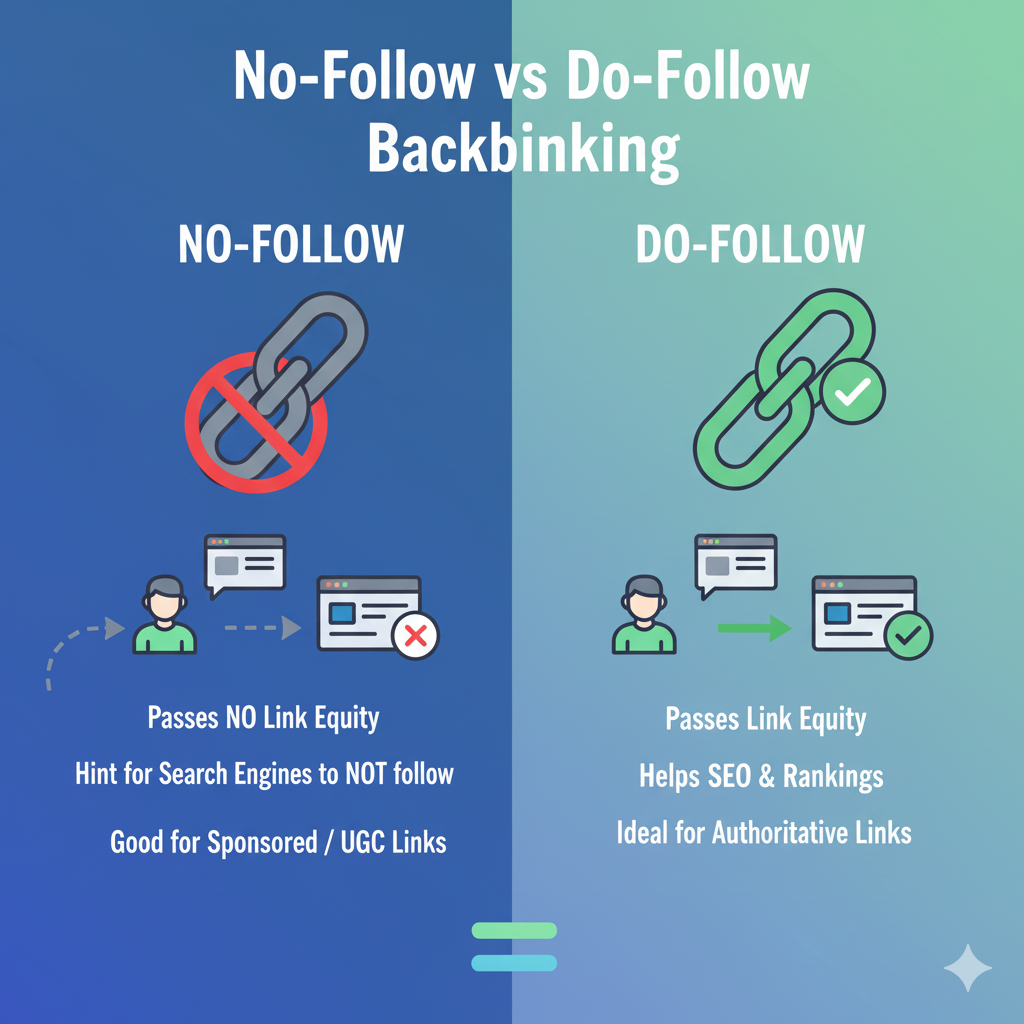
Definition: By default, all links are do-follow unless specified otherwise. A do-follow link tells search engines to follow the link and pass on ranking value (known as link juice).
SEO Impact: Do-follow backlinks are highly valuable for improving domain authority and boosting rankings.
Example: If a high-authority site like Forbes or TechCrunch links to your blog post with a do-follow link, your site benefits directly in search rankings.
No-Follow Backlinks
Definition: A no-follow backlink has a special attribute (
rel="nofollow") that tells search engines not to pass ranking value through that link.SEO Impact: No-follow links don’t directly boost your rankings. However, they can still bring referral traffic, brand visibility, and diversify your backlink profile.
Example: Most comment sections, forums, and platforms like Wikipedia add no-follow attributes to prevent spam.
What Is Link Juice?
Link juice is an SEO term that describes the value or equity passed from one page to another through hyperlinks.
A do-follow link from a high-authority site passes strong link juice, boosting your site’s credibility.
A no-follow link passes little to no link juice, but still provides exposure and potential indirect SEO benefits.
Think of link juice as water flowing through pipes — the more do-follow pipes connected to your site, the more authority it gets.
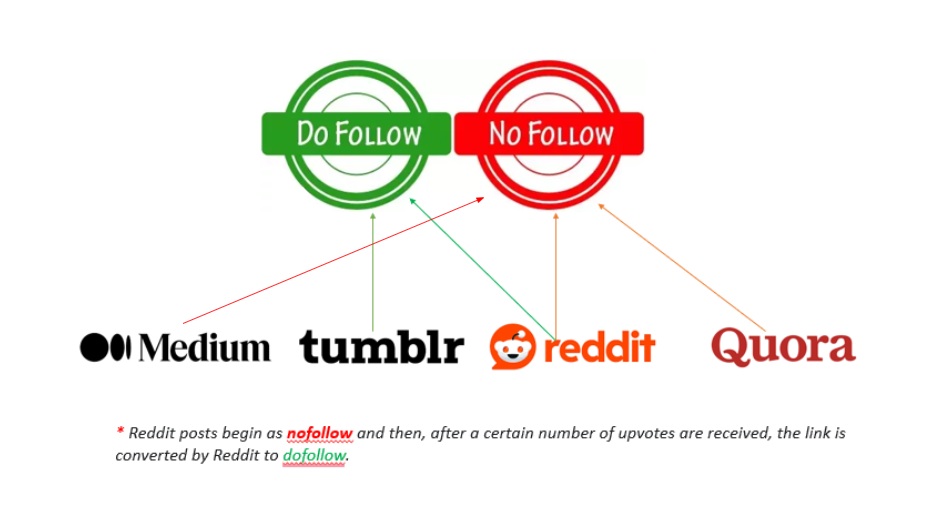
Tumblr vs Medium vs Reddit vs Quora: Backlinking Comparison
When it comes to building backlinks, not all platforms work the same way. Let’s compare four popular platforms:
1. Tumblr
Type of Links: Do-follow (in most cases, especially in blog posts).
Benefit: Great for creating do-follow backlinks, especially if your Tumblr blog gains traction.
Drawback: Requires effort to build an audience; spammy use may hurt credibility.
2. Medium
Type of Links: Mostly no-follow.
Benefit: Medium has strong domain authority, so links can drive traffic and brand exposure.
Drawback: Links won’t pass much link juice, but they are valuable for visibility.
3. Reddit
Type of Links: Primarily no-follow.
Benefit: If your post goes viral, Reddit can bring massive traffic.
Drawback: No direct SEO link juice, and self-promotion is often downvoted.
4. Quora
Type of Links: Mostly no-follow.
Benefit: Quora answers can drive highly targeted traffic and establish authority in your niche.
Drawback: Limited SEO link juice; requires consistent, high-quality answers to see results.
Which Should You Focus On?
Do-Follow Backlinks: Prioritize these for SEO growth. Guest posting, partnerships, and creating link-worthy content are the best strategies.
No-Follow Backlinks: Don’t ignore them. They can still generate traffic, build brand authority, and may indirectly help SEO when your content gets discovered by journalists or bloggers.
Pro Tip: A natural backlink profile includes both do-follow and no-follow links. If all your backlinks are do-follow, search engines might suspect manipulation.