
SXO (Search Experience Optimization): The Evolution of SEO with User Experience
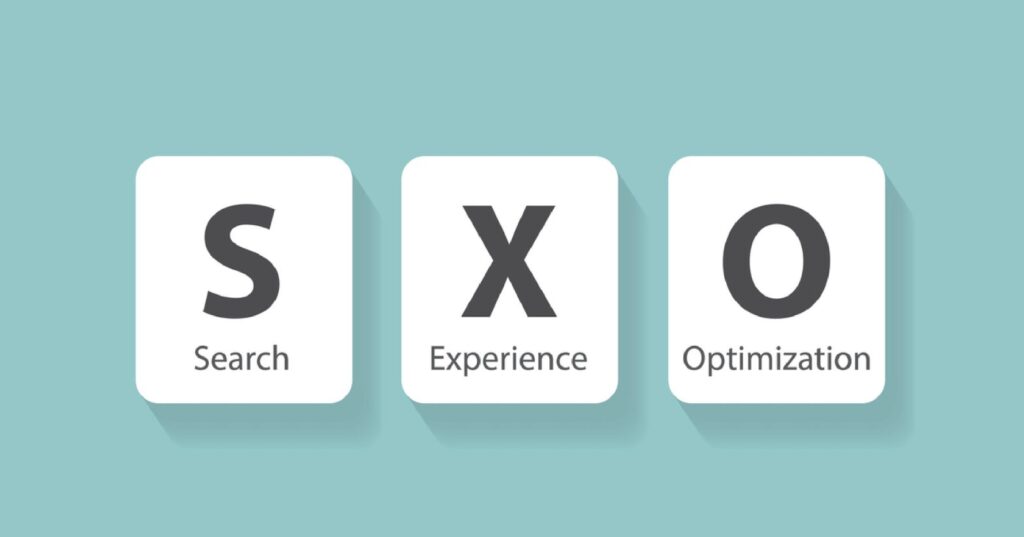
What is SXO?
SXO (Search Experience Optimization) goes beyond traditional SEO tactics. While SEO is focused on visibility—getting traffic through search engines—SXO ensures that once visitors arrive, they:
Stay longer on your site
Interact with your content
Trust your brand
Take meaningful actions (sign up, purchase, contact, etc.)
In simple terms, SEO brings users in, and SXO keeps them engaged by delivering exactly what they need through excellent design, content, and usability.
Why SXO Matters in 2025
Search engines like Google now prioritize user satisfaction as much as keyword optimization. Metrics such as Core Web Vitals, bounce rate, time on site, and conversion rate all indicate how users interact with your page.
By implementing SXO, you not only improve your rankings but also create a better overall experience—which leads to higher engagement, trust, and conversions.
How to Do SXO: Key Strategies
Here’s how you can effectively implement SXO for your website:
1. Start with User Intent
Understand what your audience is searching for—informational, navigational, or transactional content. Align your pages with that intent to ensure relevance and satisfaction.
2. Optimize for Mobile
With most users browsing on mobile, ensure your website is fully responsive, loads fast, and provides a smooth mobile experience.
3. Improve Website Speed
Slow-loading pages increase bounce rates. Use tools like Google PageSpeed Insights or GTmetrix to identify and fix speed issues.
4. Enhance Content Quality
Focus on clarity, readability, and value. Include visuals, examples, and CTAs that help users make decisions easily.
5. Design for Engagement
A clean, intuitive layout helps users find what they need quickly. Use visual hierarchy, contrasting buttons, and easy navigation to guide users toward conversions.
6. Build Trust
Include testimonials, reviews, certifications, and clear contact information. Trust signals reduce hesitation and boost conversions.
7. Monitor User Behavior
Use analytics tools (like Google Analytics or Hotjar) to see how users interact with your pages and where they drop off. Adjust accordingly.
SXO Checklist: Your Roadmap to Success
Here’s a quick SXO checklist to guide your optimization efforts:
✅ Clear understanding of search intent
✅ Mobile-first website design
✅ Fast-loading pages (under 3 seconds)
✅ Engaging and easy-to-read content
✅ Structured layout and smooth navigation
✅ Strategic CTAs on every page
✅ SSL certificate and visible trust badges
✅ Accessible and inclusive design
✅ Analytics setup for user behavior tracking
✅ Regular A/B testing for improvements
SXO is the future of search marketing—it’s where SEO meets UX. By focusing not only on getting traffic but also on creating exceptional user experiences, businesses can achieve better rankings, higher engagement, and stronger conversions.
In short, SEO gets the click, SXO earns the customer.