
Competitor Analysis in Digital Marketing: A Strategic Guide
What is Competitor Analysis?
Competitor analysis is the process of identifying and evaluating your competitors to understand their strengths, weaknesses, strategies, and market position. In digital marketing, this involves looking at their websites, SEO strategies, social media presence, paid ads, and customer engagement.
By conducting a thorough competitor analysis, you can:
Identify opportunities in the market.
Benchmark your performance against industry leaders.
Spot gaps in your own strategy.
Anticipate market trends.
Why Competitor Analysis Matters in Digital Marketing
Improved Positioning – Know where your brand stands in comparison to others.
Content Inspiration – Discover what type of content performs best in your industry.
SEO Opportunities – Find keyword gaps your competitors are ranking for.
Ad Strategy Insights – Learn how much and where competitors are investing in ads.
Customer Insights – See how audiences interact with rival brands.
Tools & Methods for Competitor Analysis
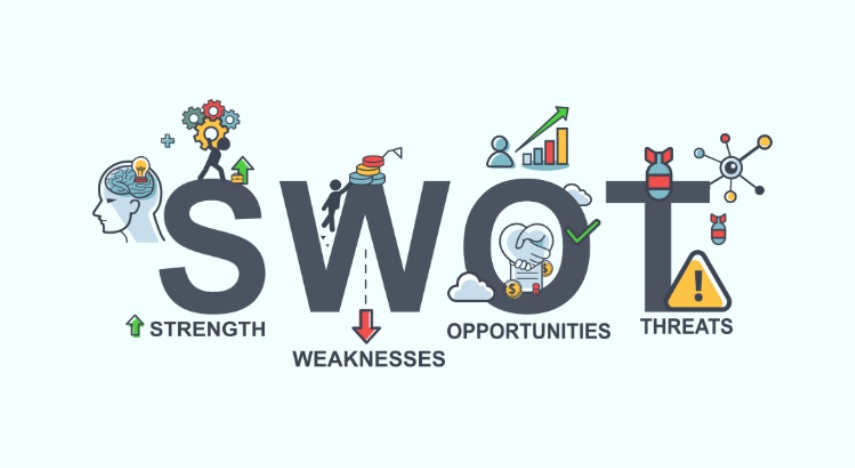
1. SWOT Analysis
One of the simplest yet most effective tools is SWOT Analysis, which helps you evaluate:
Strengths: What do competitors do well? (e.g., strong social following, great website UX)
Weaknesses: Where do they fall short? (e.g., poor customer reviews, weak SEO)
Opportunities: What gaps exist in the market that you can fill?
Threats: What risks could their actions pose to your business?
Example: If a competitor dominates Instagram but neglects LinkedIn, your opportunity may lie in capturing B2B engagement.
2. Digital Footprint Analysis
Examine your competitors’ online presence:
Website: Speed, design, mobile optimization, UX.
SEO: Organic keywords, backlinks, domain authority.
Content Marketing: Blogs, videos, case studies, infographics.
Social Media: Platforms used, engagement rates, influencer partnerships.
Paid Ads: Search ads, social ads, display campaigns.
3. Benchmarking with Analytics Tools
Leverage tools like:
SEMrush / Ahrefs (SEO, keywords, backlinks).
SimilarWeb (traffic sources, audience demographics).
BuzzSumo (top-performing content).
Hootsuite / Sprout Social (social media tracking).
These give data-driven insights into what’s working for your competitors.
4. Customer Sentiment Analysis
Monitor reviews, testimonials, and social comments to understand how customers feel about your competitors. Platforms like Trustpilot, G2, and even Twitter/X can reveal valuable insights into pain points you could address.
5. Ad Transparency Tools or Online Libraries.
Competitor advertising strategies are often the hardest to uncover—but luckily, platforms now provide transparency features.
Google Ads Transparency Center:
Google’s Transparency Center allows you to see all active ads run by a business across Google Search, YouTube, and Display Network. This helps you analyze messaging styles, creative assets, frequency, and regional targeting.Meta Ads Library (Facebook & Instagram):
The Ads Library provides a searchable database of all active ads running on Facebook and Instagram. You can filter by keyword, advertiser, or region, giving you direct insight into your competitors’ creative strategies and spending patterns.
Steps to Conduct Competitor Analysis
Identify Your Competitors
Direct competitors (same product/service).
Indirect competitors (alternative solutions).
Collect Data
Use digital marketing tools.
Manually analyze websites and campaigns.
Apply Frameworks
SWOT, Porter’s Five Forces, or benchmarking.
Draw Insights
What strategies can you replicate or improve?
What gaps can you exploit?
Implement & Monitor
Apply findings to your campaigns.
Continuously update analysis as the digital landscape evolves.
Competitor analysis in digital marketing isn’t about copying—it’s about learning, adapting, and innovating. By understanding your competitors’ strategies through methods like SWOT analysis, digital footprint evaluations, and customer sentiment tracking, you can sharpen your own approach and carve out a stronger position in the market.