
Traditional Marketing vs Digital Marketing: Key Differences You Must Know
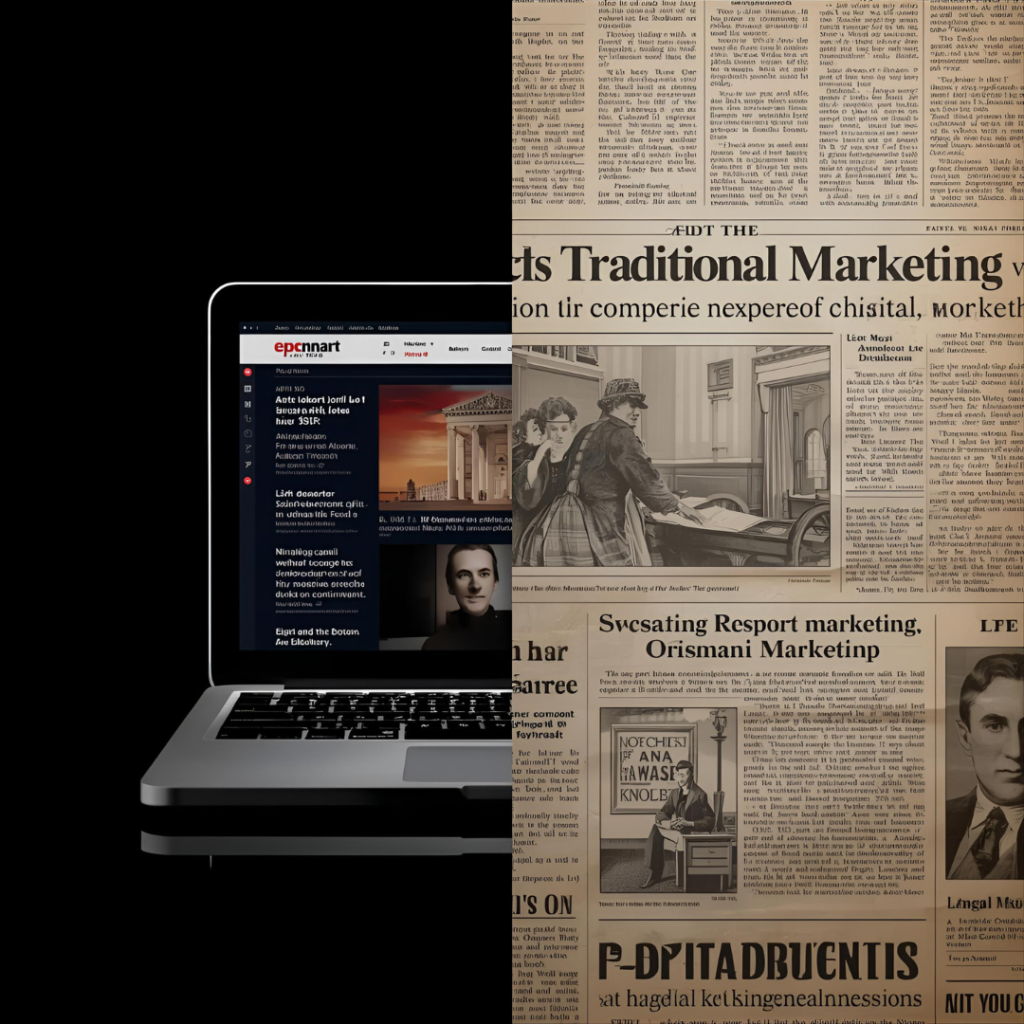
Marketing is the backbone of every business. Over the years, the way businesses promote their products and services has changed dramatically. From newspaper ads and billboards to social media campaigns and Google ads, marketing has shifted from traditional methods to digital platforms.
But what exactly is the difference between traditional marketing and digital marketing? Let’s break it down.
✅ What is Traditional Marketing?
Traditional marketing refers to offline marketing methods that businesses have used for decades to reach customers. These include:
📺 TV commercials
📻 Radio ads
📰 Newspaper and magazine ads
📩 Flyers, brochures, and posters
🚏 Billboards and banners
✉️ Direct mail marketing
Key Feature: It focuses on reaching a broad audience through physical and offline channels.
✅ What is Digital Marketing?
Digital marketing, on the other hand, uses internet-based channels and digital technology to reach target audiences. Examples include:
🌐 Social Media Marketing (Facebook, Instagram, LinkedIn, TikTok)
🔍 Search Engine Optimization (SEO)
💰 Pay-Per-Click (PPC) advertising
📧 Email Marketing
📝 Content Marketing (blogs, videos, infographics)
📱 Mobile Marketing (apps, SMS, push notifications)
Key Feature: It focuses on reaching a specific, targeted audience using online platforms and real-time data.
🔑 Major Differences Between Traditional & Digital Marketing
| Aspect | Traditional Marketing | Digital Marketing |
|---|---|---|
| Medium | Offline (TV, radio, print, billboards) | Online (websites, social media, email, apps) |
| Audience Reach | Broad, general audience | Specific, targeted audience |
| Cost | Usually high (TV ads, billboards) | Can be low, flexible budgets |
| Interactivity | One-way communication | Two-way interaction (comments, likes, shares) |
| Measurability | Hard to track ROI | Easy to measure with analytics |
| Speed | Slower campaign setup | Instant setup and results |
| Personalization | Limited | Highly personalized campaigns |
| Engagement | Low, passive | High, interactive |
🎯 Which One is Better?
The truth is, both traditional and digital marketing have their own importance.
Traditional marketing works best for local reach, brand visibility, and older audiences who still consume TV, radio, and print.
Digital marketing is more suitable for global reach, measurable results, cost-effectiveness, and younger audiences who are always online.
👉 For modern businesses, the best strategy is often a combination of both—using traditional methods for brand awareness and digital methods for engagement and conversions.
📝 Final Thoughts
The world is moving rapidly towards digital, but traditional marketing still has its place. If you want to build a successful career or business in 2025 and beyond, mastering digital marketing skills is essential.